← Back to Gemara Study Desk

Nachum Ish Gamzu

נַחוּם אִישׁ גַּם זוֹ

Illustrated story · Gemara Taanis 21a, with Rashi. Fill in the boxes (word bank: letova, earth, angry, Avraham, conquer, pearls, took), then press Check.

Download / print PDF (A4, 4 pages)
Panel 1: A gift for the Emperor
1

A gift for the Emperor

דִּמְלוּמָּד בְּנִיסִּין הוּא

Why was he called Nachum Ish Gamzu? Because whatever happened to him, he said: “Gam zu ” – this too is for the good!

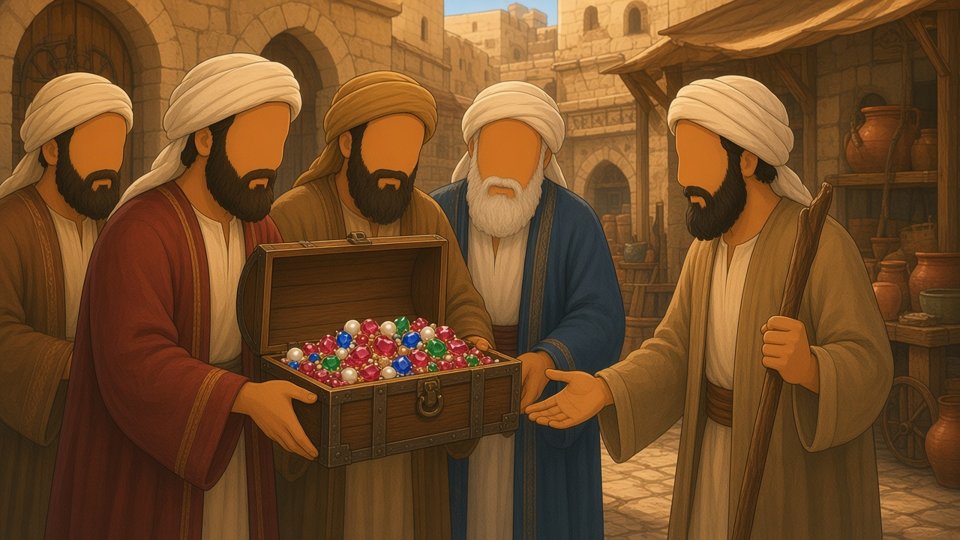
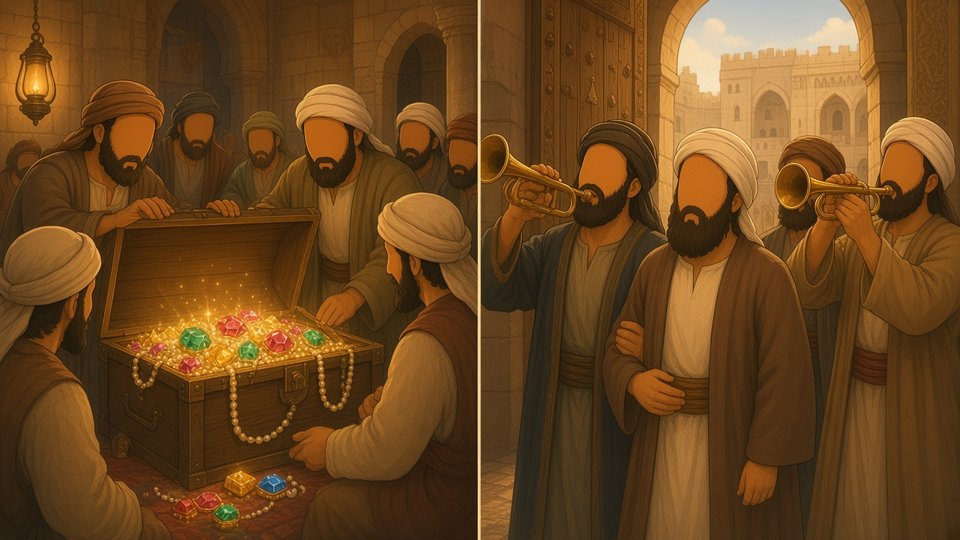
Once the Jews wanted to send a gift to the Emperor (Keisar). “Who should go? Let Nachum Ish Gamzu go, because he is used to miracles.” They sent with him a chest full of precious stones and pearls.

Rashi says: “Whatever happened to him” means everything, even something that looked bad.

Did you know? Nachum Ish Gamzu was the rebbe of Rabbi Akiva.

Panel 2: A night at the inn
2

A night at the inn

וּמְלוֹנְהוּ עַפְרָא

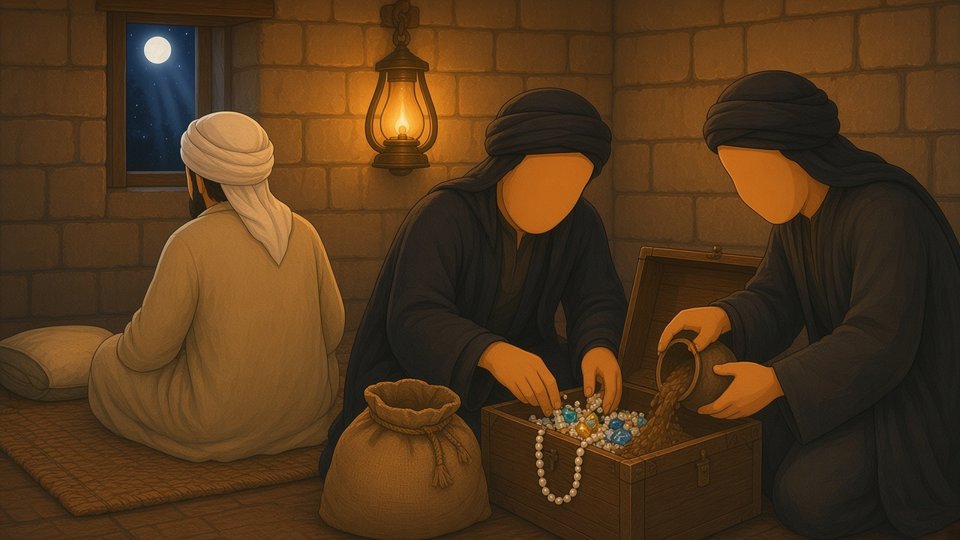
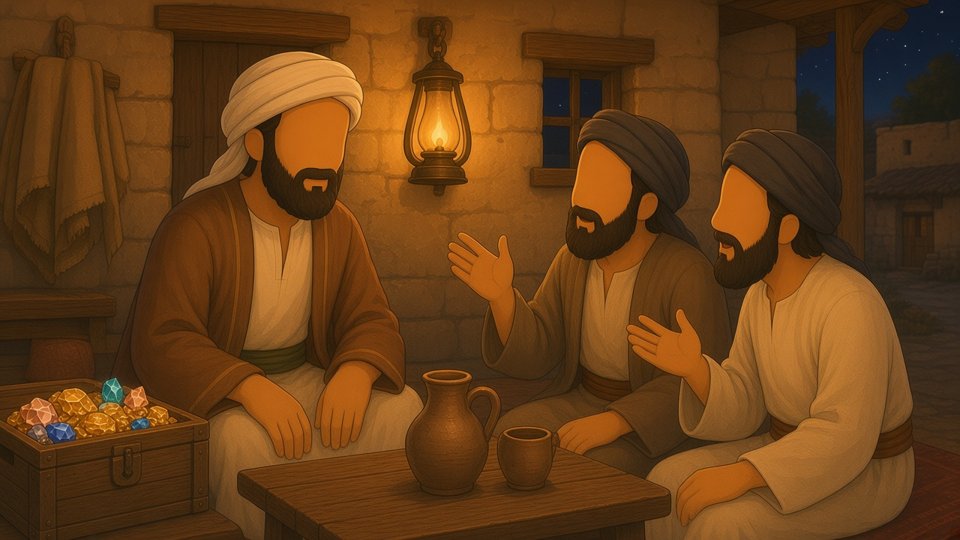
On the way he slept one night at an inn. In the night, the people of the inn got up, took everything out of the chest and filled it with .

In the morning Nachum saw what had happened. What did he say? “Gam zu letova!” And he carried on to the Emperor.

Rashi says: “Sifta” means his box (chest).

Panel 3: Only earth!
3

Only earth!

קָא מְחַיְּיכוּ בִּי יְהוּדָאֵי

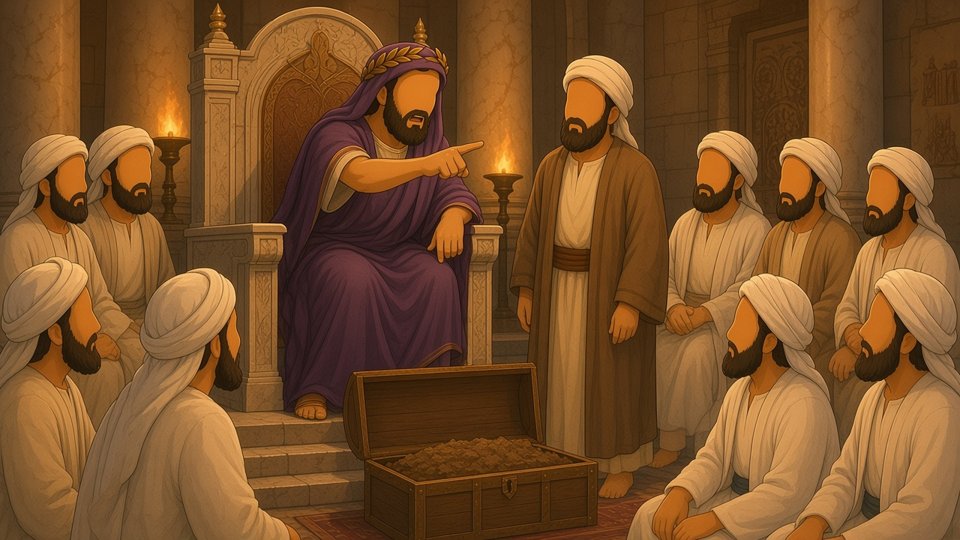
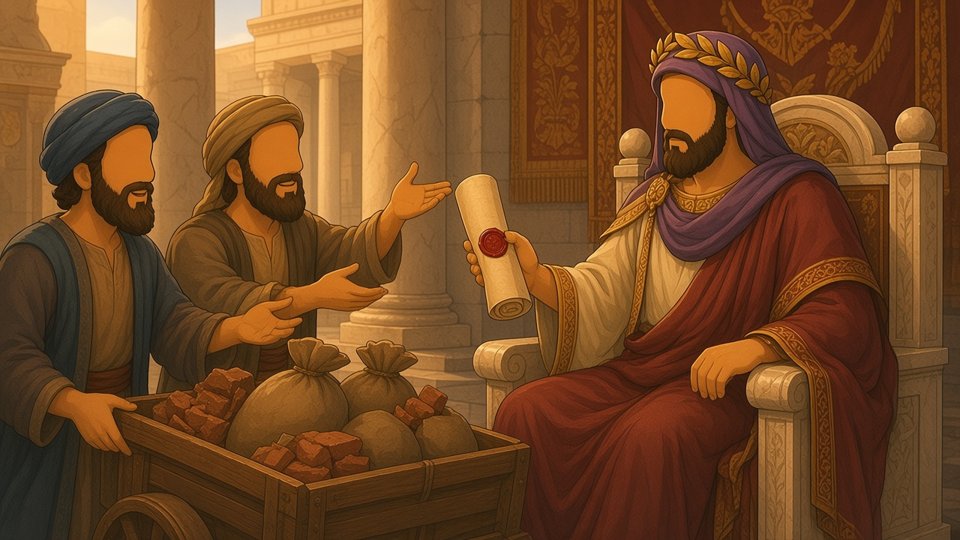
When he arrived, they opened the chest and saw it was full of earth. The king was very and said: “The Jews are making fun of me!” He wanted to punish them all.

Even now Nachum said: “Gam zu letova!”

Rashi says: The Gemara speaks politely here: it really means the king wanted to harm the Jews.

Panel 4: Eliyahu Hanavi comes
4

Eliyahu Hanavi comes

יִתֵּן כֶּעָפָר חַרְבּוֹ

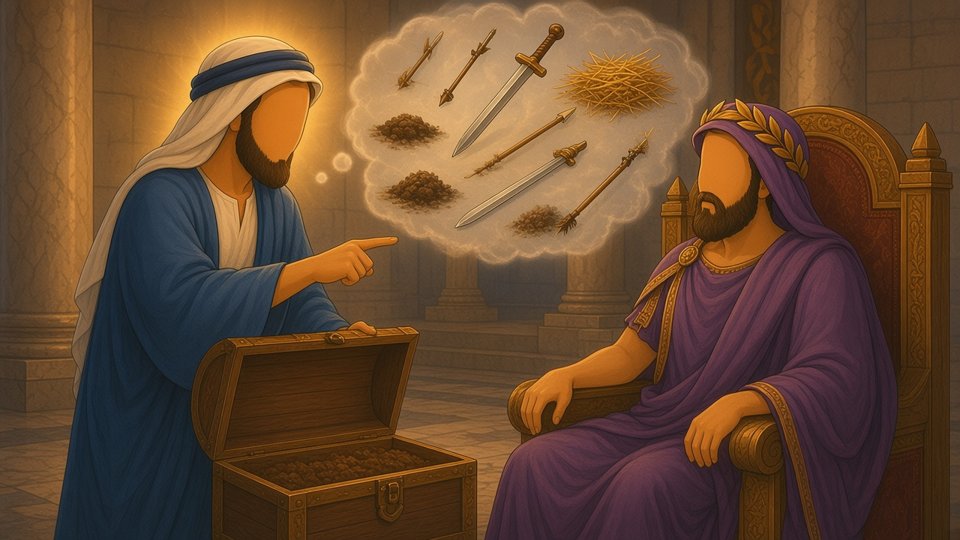
Eliyahu Hanavi came, looking like one of the king’s ministers. He said: “Maybe this is the earth of their father ! When he threw earth, it became swords; when he threw straw, it became arrows.”

Gemara: As the pasuk says: “His sword makes them like dust, his bow like blown straw.” (Yeshayahu 41:2)

Rashi says: Eliyahu looked like one of the Emperor’s ministers. Avraham used this earth when he fought the kings.

Panel 5: The test
5

The test

בְּדַקוּ מִינֵּיהּ וְכַבְשׁוּהָ

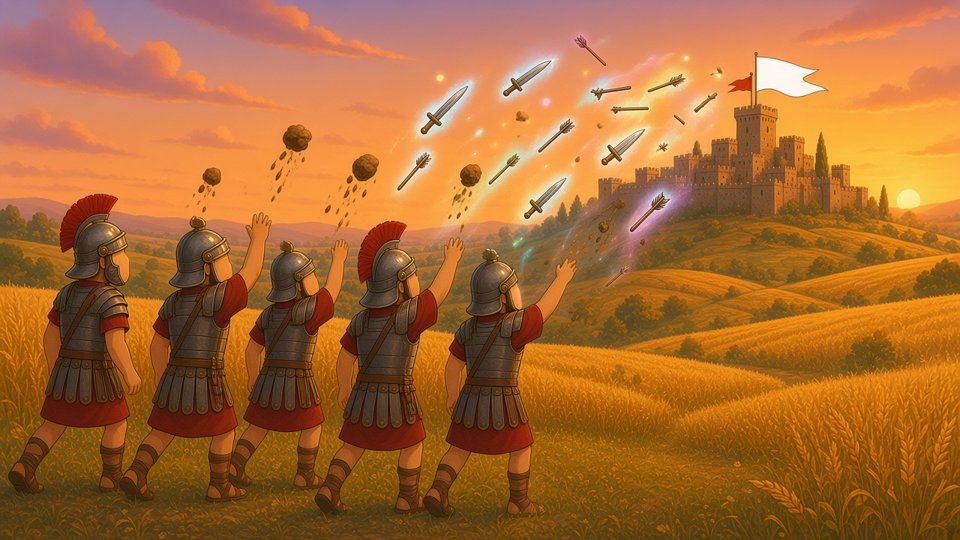
There was one country that the Romans could not . They tested some of the earth there, and they conquered it!

Lesson: The earth was not special. The miracle came only in the zechus (merit) of Nachum Ish Gamzu.

Panel 6: Sent home with honour
6

Sent home with honour

וְשַׁדְּרוּהוּ בִּיקָרָא רַבָּה

They went into the king’s treasure-house, filled Nachum’s chest with precious stones and , and sent him home with great honour.

Lesson: Something that looked bad turned out to be for the good: gam zu letova!

Panel 7: Back at the inn
7

Back at the inn

מַאי דִּשְׁקַלִי מֵהָכָא

On the way home he slept at the same inn. The people asked: “What did you bring to the king that he gave you so much honour?”

He answered: “What I from here, I brought there.”

Rashi says: “Bisu” means they slept at the inn.

Panel 8: Just earth
8

Just earth

בַּדְקוּהּ וְלָא אַשְׁכְּחוּהּ

The innkeepers knocked down their house and brought its earth to the king: “That earth was ours!” The king tested it, but it was just ordinary .

So the king punished the innkeepers with death.

Lesson: The miracle was never in the earth. It came because of Nachum’s trust in Hashem.

The Gemara text · Taanis 21a

וְאַמַּאי קָרוּ לֵיהּ נַחוּם אִישׁ גַּם זוֹ — דְּכׇל מִילְּתָא דַּהֲוָה סָלְקָא לֵיהּ, אֲמַר: גַּם זוֹ לְטוֹבָה. זִימְנָא חֲדָא בְּעוֹ לְשַׁדּוֹרֵי יִשְׂרָאֵל דּוֹרוֹן לְבֵי קֵיסָר, אָמְרוּ: מַאן יֵיזִיל — יֵיזִיל נַחוּם אִישׁ גַּם זוֹ, דִּמְלוּמָּד בְּנִיסִּין הוּא. שַׁדַּרוּ בִּידֵיהּ מְלֵא סִיפְטָא דַּאֲבָנִים טוֹבוֹת וּמַרְגָּלִיּוֹת. אֲזַל, בָּת בְּהָהוּא דִּירָא. בְּלֵילְיָא קָמוּ הָנָךְ דָּיוֹרָאֵי וְשַׁקְלִינְהוּ לְסִיפְטֵיהּ וּמְלוֹנְהוּ עַפְרָא.

כִּי מְטָא הָתָם, שְׁרִינְהוּ לְסִיפְטֵי, חֲזָנְהוּ דִּמְלוּ עַפְרָא. בְּעָא מַלְכָּא לְמִקְטְלִינְהוּ לְכוּלְּהוּ, אֲמַר: קָא מְחַיְּיכוּ בִּי יְהוּדָאֵי. אֲמַר: גַּם זוֹ לְטוֹבָה. אֲתָא אֵלִיָּהוּ אִדְּמִי לֵיהּ כְּחַד מִינַּיְיהוּ, אֲמַר לֵיהּ: דִּלְמָא הָא עַפְרָא מֵעַפְרָא דְּאַבְרָהָם אֲבוּהוֹן הוּא, דְּכִי הֲוָה שָׁדֵי עַפְרָא — הָווּ סַיְיפֵי, גִּילֵי — הָווּ גִּירֵי, דִּכְתִיב: ״יִתֵּן כֶּעָפָר חַרְבּוֹ כְּקַשׁ נִדָּף קַשְׁתּוֹ״.

הַוְיָא חֲדָא מְדִינְתָּא דְּלָא מָצוּ לְמִיכְבְּשַׁהּ, בְּדַקוּ מִינֵּיהּ וְכַבְשׁוּהָ. עֲיַילוּ לְבֵי גִנְזֵיה וּמְלוֹהוּ לְסִיפְטֵיהּ אֲבָנִים טוֹבוֹת וּמַרְגָּלִיּוֹת, וְשַׁדְּרוּהוּ בִּיקָרָא רַבָּה.

כִּי אֲתוֹ, בִּיתוּ בְּהָהוּא דִּיּוּרָא, אֲמַרוּ לֵיהּ: מַאי אַיְיתֵית בַּהֲדָךְ דְּעָבְדִי לָךְ יְקָרָא כּוּלֵּי הַאי? אֲמַר לְהוּ: מַאי דִּשְׁקַלִי מֵהָכָא אַמְטִי לְהָתָם. סְתַרוּ לְדִירַיְיהוּ וְאַמְטִינְהוּ לְבֵי מַלְכָּא, אֲמַרוּ לֵיהּ: הַאי עַפְרָא דְּאַיְיתִי הָכָא — מִדִּידַן הוּא. בַּדְקוּהּ וְלָא אַשְׁכְּחוּהּ, וְקַטְלִינְהוּ לְהָנָךְ דָּיוֹרָאֵי.

Source: Sefaria, Taanit 21a (William Davidson edition).